

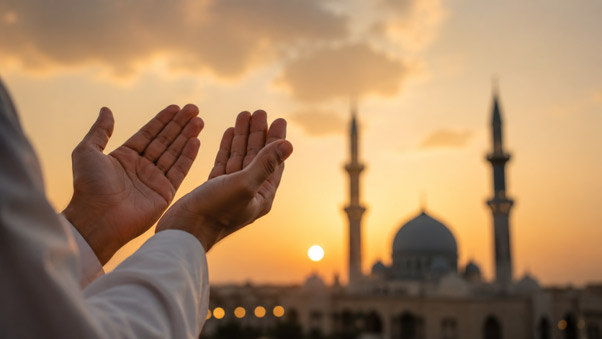
Love marriage in many families is still a sensitive topic. Even when two people are genuinely in love and want to spend their life together, they often face resistance from parents, cultural expectations, financial worries, or simple miscommunication. If you're going through this, you're not alone — and turning to prayer during a difficult time is something people have done for generations.
This guide looks at dua for love marriage problems from an informational and spiritual perspective — what it means in Islamic tradition, how it's commonly practiced, and what a balanced, realistic approach looks like when combined with honest communication and patience.
Dua for love marriage problems is a heartfelt Islamic prayer asking Allah for ease, understanding, and a blessed outcome in a relationship facing obstacles like family opposition or delays. It's traditionally recited with sincerity (niyyah), consistency, and patience, alongside honest efforts like open conversations with family — not as a substitute for them.
Before discussing specific prayers, it helps to understand why love marriages face resistance in the first place. Common reasons include:
Recognizing the actual root cause matters. A dua recited with a clear intention, paired with genuine effort to resolve the real issue, tends to bring far more peace of mind than prayer alone.
In Islamic teaching, dua is considered a direct form of communication with Allah. Marriage (nikah) is described in the Quran as a source of tranquility between two people:
"And among His signs is that He created for you spouses from among yourselves, that you may find tranquility in them; and He placed between you affection and mercy." (Quran 30:21)
This verse is often cited by scholars to explain that a loving, mutually respectful marriage is seen as a blessing, and asking Allah for help in reaching that state through halal (permissible) means is considered a legitimate and encouraged act of faith.
It's worth noting that Islamic scholars generally emphasize that dua should be paired with halal effort — honest conversations, patience, and following proper family and religious processes — rather than treated as a shortcut that replaces responsibility.
Here are duas that are commonly recited by those seeking a way through relationship and marriage difficulties. These are general spiritual practices, not fixed formulas, and results vary based on individual circumstances, patience, and Allah's will.
1. Dua for Ease in Difficult Matters
Reciting this dua after each of the five daily prayers is a common practice for those facing a hard situation:
Rabbi yassir wala tu'assir, Rabbi tammim bil khayr. (O my Lord, make things easy and do not make them difficult. O my Lord, complete it with goodness.)
2. Dua for Removing Obstacles in Relationships
This is often recited during Tahajjud (late-night voluntary prayer), a time considered especially significant for sincere requests:
Allahumma inni as'aluka min fadlika wa rahmatika, fa innahu la yamlikuha illa anta. (O Allah, I ask You from Your bounty and mercy, for none possesses it except You.)
3. Dua for Softening a Parent's Heart
Since family opposition is one of the most common obstacles, this dua focuses on asking for understanding between generations:
Rabbana hab lana min azwajina wa dhurriyyatina qurrata a'yunin waj'alna lil-muttaqina imama. (Our Lord, grant us from among our spouses and offspring comfort to our eyes, and make us leaders for the righteous.)
4. Istikhara for Clarity Before Marriage
If you're unsure whether the relationship is the right path, Salat al-Istikhara (the prayer for seeking guidance) is recommended by scholars before major life decisions, including marriage. It involves two units of voluntary prayer followed by a specific dua asking Allah to guide you toward what is best.
How These Duas Are Typically Practiced
| Practice | Common Timing | Purpose |
|---|---|---|
| Dua after Fard prayers | Right after each of the 5 daily prayers | Consistency and sincerity |
| Tahajjud dua | Last third of the night | Considered a time of heightened acceptance |
| Istikhara | Before a major decision | Seeking guidance, not just an outcome |
| Dua for parents' hearts | Anytime, with patience | Softening family opposition over time |
Getting the "how" right matters as much as the words themselves. A few practices scholars commonly recommend:
Many people prefer guidance from a knowledgeable religious scholar (Maulana) when they're going through a love marriage problem, especially if they're unsure about:
A genuine scholar will guide you with knowledge from the Quran and Hadith, encourage patience and ethical conduct, and will never demand large payments or promise guaranteed, instant outcomes. If someone claims they can "force" a specific person to marry you or guarantees results for a fee, that's a red flag — this goes against Islamic teachings around free will and sincerity in dua.
It's important to set realistic expectations. Dua is an act of faith and hope, not a guaranteed mechanism with a fixed timeline. Scholars generally teach that:
If your love marriage is facing obstacles, combining sincere dua with practical steps — respectful dialogue with parents, seeking a trusted family elder or scholar to mediate, and giving the relationship enough time to build trust — tends to produce more meaningful, lasting results than prayer in isolation.
1. What is the best dua for love marriage problem solution?
There isn't a single "best" dua for everyone — commonly recited ones include the dua for ease (Rabbi yassir wala tu'assir), Tahajjud dua, and Istikhara for guidance before marriage. The right one depends on your specific situation.
2. Can dua really solve family opposition to a love marriage?
Dua can bring peace of mind, patience, and openings for better communication, but it works best alongside honest, respectful conversations with your family — not as a replacement for them.
3. How many days does it take for a dua to work?
There's no fixed timeframe. Islamic teaching emphasizes patience and trust in Allah's timing rather than expecting results within a specific number of days.
4. Is it necessary to consult a Maulana for love marriage dua?
It's not mandatory, but consulting a knowledgeable, ethical scholar can help you recite the correct duas, perform Istikhara properly, and get guidance suited to your situation.
5. What is Istikhara and how does it help with marriage decisions?
Istikhara is a two-unit voluntary prayer followed by a specific dua asking Allah for guidance on whether a decision — such as a marriage — is good for you, so you can proceed with more clarity and confidence.
6. Is it permissible in Islam to make dua for a specific person to marry you?
Scholars generally advise asking Allah for what is best for you rather than insisting on one specific person, since He knows what will bring genuine goodness and tranquility to your life.
7. What if my parents still refuse after I make dua?
Continue with patience, respectful dialogue, and time. You might also involve a trusted elder or scholar to help mediate the conversation calmly and constructively.
8. Are there any duas specifically for softening a parent's heart?
Yes — duas asking Allah to grant comfort and understanding between family members, such as Rabbana hab lana min azwajina wa dhurriyyatina qurrata a'yunin, are commonly recited for this purpose.
9. Can dua be combined with counseling or family mediation?
Yes. Many scholars encourage combining sincere dua with practical steps like counseling or mediation, since both spiritual and practical efforts work together toward a resolution.
10. Should I be cautious of anyone offering "guaranteed" dua solutions for a fee?
Yes. Be very cautious of anyone who guarantees instant results, demands large payments, or claims they can force a specific outcome — this goes against the spirit of sincere dua and is a common red flag for exploitation.
Facing a love marriage problem can feel overwhelming, especially when family expectations and personal feelings pull in different directions. Dua offers comfort, patience, and a sense of connection with Allah during this uncertain time — but it works best when paired with sincerity, respectful communication, and realistic patience, not as a magic fix promised by anyone for a fee.
If you'd like personalized guidance on which duas suit your situation, consider speaking with a knowledgeable and ethical scholar who can walk you through the process with honesty and care.
Have a question about your situation? Feel free to reach out for respectful, judgment-free guidance.
Our Services
Our Services
Get Dua For Love provides Islamic spiritual guidance and consultation for individuals seeking support regarding marriage concerns, relationships, family matters, and personal challenges. Guidance is provided with sincerity, confidentiality, and respect while encouraging faith, patience, and responsible decision-making.
Disclaimer: The services and guidance provided are based on spiritual beliefs, traditional practices, and personal experience. These services are intended for guidance and support purposes only and should not be considered a substitute for professional medical, legal, financial, or psychological advice. Results may vary for each individual depending on their situation and personal faith.
Copyright © All Rights Reserved 2026-27.